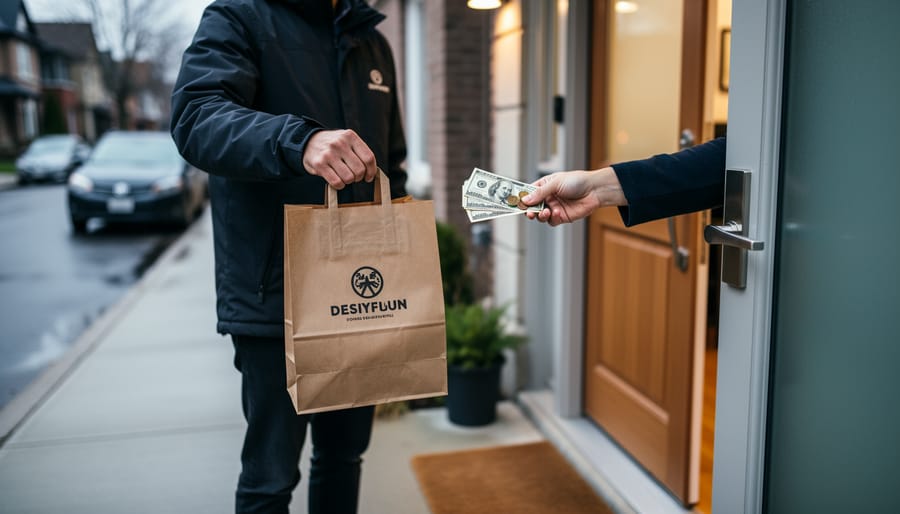
Yes, you can still pay cash for food delivery in 2026, though the option has become less common and more selective across platforms. DoorDash and Uber Eats both offer cash-on-delivery in Canada, but availability depends entirely on whether individual drivers in your area have opted in to accept cash orders. The process is straightforward: you pay your driver at the door (including any tip), and the platform automatically deducts the order total from their next earnings deposit. No need to worry about drivers paying restaurants out of pocket; that part stays digital.
For Toronto diners who prefer cash transactions, whether for budgeting reasons, privacy, or simply lacking a credit card, finding delivery that accepts bills and coins has gotten trickier as apps have shifted toward cashless systems. But the option hasn’t disappeared completely. Beyond the major platforms, many local restaurants and regional delivery services, particularly independent spots and smaller operators around the GTA, still welcome cash payments at pickup or delivery. Some even prefer it.
The catch? Not every restaurant on DoorDash or Uber Eats will show a cash option, even if they normally accept it in-store. Driver availability plays a bigger role than the restaurant’s preference. In practice, you’ll see the payment method appear (or not) when you’re checking out, and if cash isn’t listed, your best bet is calling the restaurant directly to arrange delivery or pickup. Plenty of neighbourhood gems across Toronto still run their own delivery and happily take cash, no app required.
Which Major Delivery Apps Accept Cash in Toronto
In Toronto’s food delivery landscape, cash payment is no longer universal, but a few major platforms still support it, though you’ll need to know where to look and understand that availability can shift.
DoorDash Canada is your most reliable bet for cash delivery. The platform allows Dashers to opt in to Cash on Delivery orders through their account settings, which means availability depends on whether your courier has enabled this preference. When cash is accepted, the process is straightforward: you pay the Dasher directly in cash (including any tip), and DoorDash handles the backend accounting by deducting the order amount from the courier’s next deposit. Dashers keep 100 percent of the cash they receive, and they’re never required to pay the restaurant out of pocket, which helps keep the system running smoothly.
Uber Eats also offers cash payments, but with caveats. The service is available only in select markets, and Uber uses an auto-enrollment system for eligible couriers rather than an opt-in model. This means if you see a cash option at checkout in Toronto, it’s supported in your area, but the feature isn’t guaranteed citywide. The platform doesn’t widely advertise which Toronto neighbourhoods have full cash coverage, so your mileage may vary depending on where you live and which couriers are active nearby.
| Platform | Cash Available? | How It Works | Limitations |
|---|---|---|---|
| DoorDash Canada | Yes | Pay Dasher directly; amount deducted from courier’s deposit | Courier must opt in |
| Uber Eats | Select markets | Auto-enrolled couriers accept cash at door | Not available everywhere in Toronto |
| Skip the Dishes | Limited | Varies by restaurant and courier | Check at checkout |
Beyond the big apps, many restaurant-specific delivery services and smaller regional platforms maintain cash options. Examples like Dine Local show independent spots in Ontario offering Cash on Delivery, debit or credit at the door, and pay-in-person at pickup. These local alternatives often provide more consistent cash acceptance because they’re not dependent on gig-economy courier preferences.
The reality is that cash delivery in Toronto exists in a patchwork. Your best approach is to check the payment options at checkout for each order, since what’s available can change based on your location, the restaurant, and which couriers are working that day.
How Cash-on-Delivery Actually Works
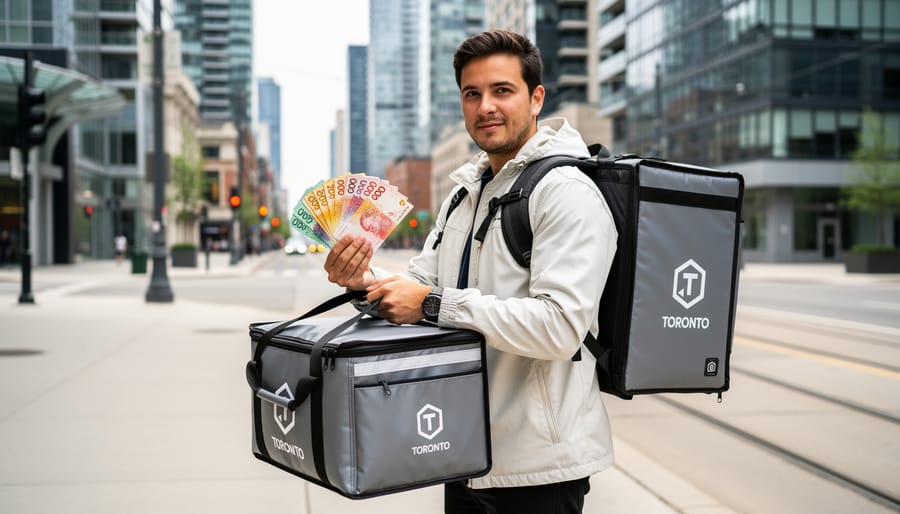
When you order food for cash delivery, the process works differently than the card-payment flow most people are used to. Here’s what actually happens from the moment you confirm your order.
As a customer, you select the cash payment option during checkout on your chosen app. The restaurant receives the order just like any digital payment and prepares your food normally. When the courier arrives at your door, you hand over the exact order total in cash, including any tip you want to give. That’s it for your part.
From the courier’s side, the mechanics are more interesting. On DoorDash, the Dasher accepts your cash-on-delivery order like any other delivery. They pick up your food from the restaurant without paying anything out of pocket. The restaurant has already been handled through DoorDash’s system, so couriers never need to make payment in-store when picking up the order.
When the Dasher delivers to you and collects your cash, they keep 100% of what you hand them, including any cash tip. DoorDash then automatically deducts the order amount (not the tip) from the Dasher’s next direct deposit. This means the courier briefly holds the restaurant’s portion of the payment, but it’s a seamless backend transaction that doesn’t require them to manually reconcile or transfer funds.
Uber Eats handles things slightly differently. In markets where cash delivery is available, eligible couriers are auto-enrolled to receive cash orders and don’t need to take any action to opt in. The money flow works on a similar principle: you pay the courier, they keep the cash, and Uber settles the restaurant’s cut through the courier’s account.
Both systems ensure that cash orders don’t create extra friction for drivers or restaurants. The restaurant gets paid through the platform, you get your meal, and the courier manages the physical cash as part of their delivery earnings. Cash delivery is available in select markets, so availability can vary depending on where you’re ordering in Toronto.
The whole process typically adds no extra time to your delivery compared to prepaid orders.
For Couriers: Opting In (or Out) of Cash Orders
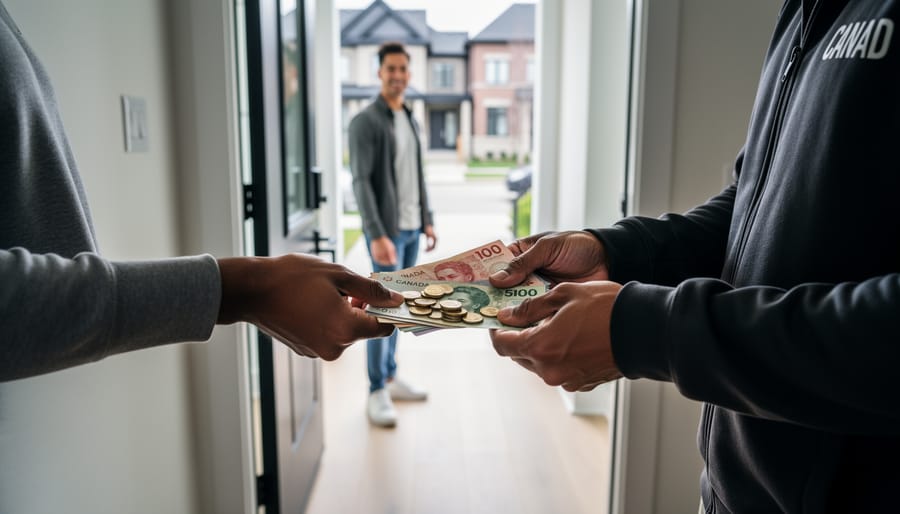
If you drive for a delivery platform in Toronto, you have control over whether you accept cash orders. Here’s how it works on the ground.
DoorDash gives Dashers complete freedom to opt in or out. Head to the Account tab in your app, tap Delivery Preferences, and you’ll find the cash-on-delivery toggle. Turn it on when you’re comfortable carrying cash, turn it off when you’re not. The platform won’t penalize you either way, your acceptance rating stays untouched, and you’re free to change the setting whenever you want.
The financial mechanics are straightforward. When a customer pays cash, you collect the full order amount plus any cash tip they hand you. DoorDash automatically deducts the order total from your next direct deposit, but you keep 100% of everything you received in cash, including tips. You never pay the restaurant out of pocket when you pick up the order. The transaction happens between you and the customer, and the platform settles up on the backend.
Uber Eats takes a different approach. In select markets where cash delivery is available, eligible couriers get auto-enrolled. There’s no toggle to flip, if you’re eligible in a cash-enabled market, you’ll start receiving these orders without taking any action. The system treats you as cash-ready by default.
For drivers who like the flexibility of cash or work in neighborhoods where customers prefer it, opting in opens up another order stream. For those who’d rather not handle physical money, DoorDash makes it easy to stick with digital-only deliveries. Either way, the choice sits squarely in your hands.
Beyond the Big Apps: Local Restaurants and Alternative Payment Options
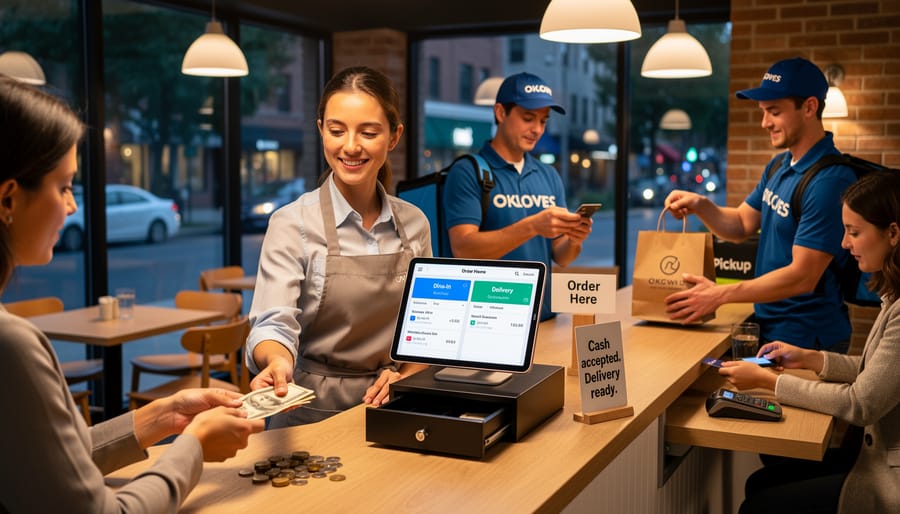
While major apps dominate the delivery scene, Toronto’s neighbourhood restaurants and smaller platforms offer a refreshing alternative for cash-paying customers. Many local spots run their own delivery services with flexible payment options, giving you a chance to skip the corporate middleman entirely.
Independent pizzerias, Chinese takeout spots, and family-run Indian restaurants across the city have been accepting cash at the door for decades. They never stopped. Call directly instead of tapping through an app, and you’ll often find they’re happy to send a driver who’ll take cash, debit at the door, or whatever works for you. This approach supports local businesses more directly, since they avoid the hefty commission fees charged by third-party platforms.
Regional delivery platforms offer another path. Dine Local, which operates in Ontario regions including parts of the Greater Toronto Area, lists restaurants with multiple payment options clearly marked: Cash on Delivery, Debit or Credit at the Door, and Pay in Person at Pickup. These smaller platforms typically work with local establishments that value payment flexibility as part of their customer service.
Ethnic food corridors like Gerrard India Bazaar, Greektown on the Danforth, and Little Italy are goldmines for cash-friendly delivery. Restaurants in these neighbourhoods often cater to communities where cash transactions remain common and preferred. Whether you’re craving healthy takeout from a local salad spot or late-night panzerotti from a corner bakery, asking about cash payment when you call usually gets a yes.
The community benefit runs both ways. You get the payment method you want, and local restaurants keep more of your money while maintaining the personal connection that makes neighbourhood dining special. That’s a trade worth making.
Why Cash Payment Matters for Toronto Food Lovers
Cash payment for food delivery isn’t just about nostalgia, it’s a practical lifeline for thousands of Torontonians. Some people prefer cash because they’re working to stick to a budget, and physical bills make it easier to track spending than card swipes that disappear into a digital void. Others have legitimate privacy concerns about transaction data being harvested, or they’re avoiding credit cards entirely to stay out of debt. For newcomers still setting up Canadian bank accounts, students without credit history, or folks who’ve experienced identity theft, cash delivery removes a significant barrier to enjoying the city’s incredible food scene.
Toronto’s population includes students living on tight budgets, gig workers managing irregular income, seniors who’ve never fully embraced digital banking, and recent immigrants navigating a new financial system. Cash delivery means a single parent can order dinner without worrying about overdraft fees, or a university student can grab takeout using tips from their weekend job. It’s about financial inclusion in a city that prides itself on diversity. When platforms and local restaurants accept cash, they’re acknowledging that not everyone’s relationship with money looks the same, and that ordering food shouldn’t require jumping through digital hoops.
Common Questions About Ordering Food Delivery with Cash
Do I need to have exact change when paying cash?
Most couriers can make change, but it’s courteous to have bills close to your order total. If you’re ordering a $32 meal, paying with two twenties is easier for everyone than handing over a hundred-dollar bill.
Can I still tip my driver if I’m paying in cash?
Absolutely. You can hand cash tips directly to your courier when they arrive, and drivers keep 100% of what you give them. Many Toronto delivery folks appreciate cash tips since there’s no delay or processing involved.
Is cash delivery available everywhere in Toronto?
Cash payment availability depends on the platform and whether couriers in your specific neighbourhood have opted in to accept it. Downtown core and densely populated areas typically have more drivers offering cash delivery than outer suburbs, but coverage varies by day and time.
What happens if I’m not home when my cash order arrives?
Unlike prepaid orders that can be left at the door, cash deliveries require you to be present to complete the transaction. If you miss the delivery, the courier will likely contact you through the app, and you may need to reorder or arrange a new delivery time.
One question that comes up frequently is whether there are order minimums for cash delivery. While individual restaurants set their own minimums regardless of payment method, some platforms may have slightly higher thresholds for cash orders in certain markets. Check the app before placing your order to avoid surprises.
Refunds work differently with cash payments too. If there’s an issue with your order, you’ll typically receive credit to your app account rather than physical cash back. That credit can then be used for future orders, whether you pay by card or cash. Keep your order receipt and contact customer support through the app if something goes wrong.
Some Toronto residents wonder if this payment option extends to other delivery services beyond restaurant meals. The answer is yes in some cases. Coffee delivery services and grocery platforms occasionally offer cash payment, though it’s less common than with prepared food. Your best bet is to check each service’s payment settings or contact the business directly to confirm.
Cash payment for food delivery isn’t a relic of the past, it’s alive and well across Toronto in 2026. Whether you’re ordering through DoorDash, checking out local spots on platforms like Dine Local, or calling your neighbourhood restaurant directly, you’ve got options that respect how you prefer to pay.
The beauty of Toronto’s food scene has always been its inclusivity, and payment flexibility is part of that story. Some of us budget better with physical cash. Others value the privacy it offers or simply don’t want every transaction tracked digitally. Whatever your reason, it’s valid, and the city’s delivery ecosystem is set up to accommodate you.
If you’re new to cash delivery, start by checking your go-to app’s settings, you might be surprised to find the option already there. Or take this as your nudge to explore those independent restaurants in your area that have been offering cash delivery all along. They’re often the ones who understand their community best and build their service around real needs, not just what’s easiest to automate.
Toronto eats well when everyone gets a seat at the table. Cash delivery keeps that table open.