You can sell food online in Toronto by obtaining proper licensing from Toronto Public Health, choosing a sales platform, creating a menu of compliant recipes, and launching with targeted local marketing. The entire process takes roughly four to eight weeks from application to first sale, and the barrier to entry is lower than most food entrepreneurs expect. If you’ve been stockpiling recipe compliments at dinner parties and daydreaming about turning your kitchen into a revenue stream, this is the roadmap.
The online food market in 2026 has matured far beyond the early-pandemic scramble. Platforms have streamlined their onboarding, customers know what to expect from delivery timelines and packaging, and Toronto’s regulatory framework has clarified which home-based operations are permitted and which require commercial kitchen access. That clarity is your advantage. You’re not pioneering anymore. You’re launching into a tested, proven market where local food lovers actively seek out small-batch, artisan producers who bring something personal to the table.
Whether you’re planning to sell meal kits, baked goods, preserves, or prepared dinners, the fundamentals remain consistent. You need legal clearance, a way to accept orders and payments, products that hold up during transit, and a plan to get noticed in a crowded digital space. Skip any of these four, and you’ll burn time, money, or both. Nail them, and you’ll join the growing ranks of Toronto food entrepreneurs who’ve turned passion projects into profitable side hustles or full-time ventures.
What You Need Before You Start Selling
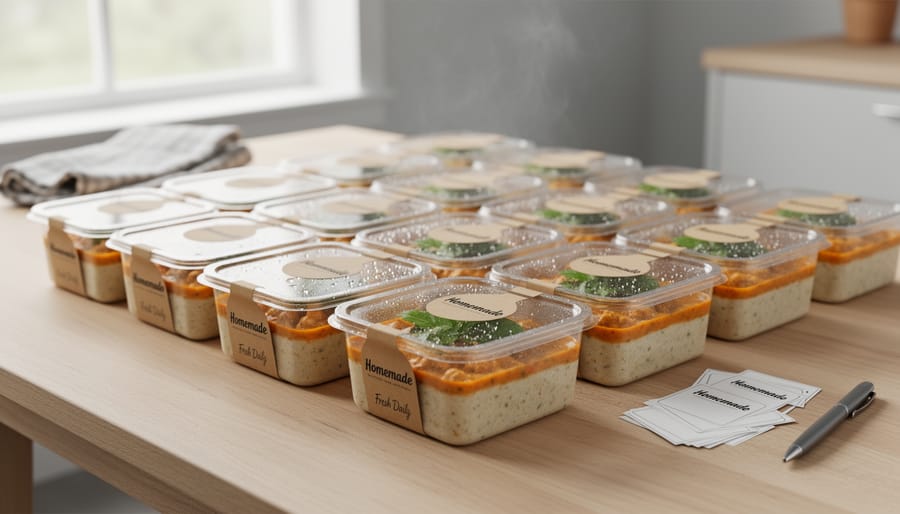
Licensing and Food Safety Requirements in Toronto
Toronto Public Health regulates all food businesses to protect consumers, whether you’re selling from a commercial kitchen or your home. Before you list your first jar of homemade granola or batch of specialty hot sauce, you need to understand which permits apply to your situation and what training is mandatory.
Every person handling food for sale in Toronto must complete a Ministry of Health-approved food handler certification course. This online or in-person training covers proper hygiene, temperature control, cross-contamination prevention, and allergen management. The certification costs around $40 and takes about five hours to complete, and you’ll need to renew it every five years. Keep your certificate accessible because health inspectors will ask to see it.
Ontario’s cottage food laws permit certain low-risk foods to be prepared in home kitchens without a commercial facility. This includes baked goods without custard or cream fillings, jams, granola, dried herbs, and popcorn. You cannot sell items requiring refrigeration like fresh pasta, dairy-based sauces, or meat products from a home kitchen. If your recipes fall outside cottage food categories, you’ll need to rent a licensed commercial kitchen or obtain a home kitchen inspection, which requires extensive renovations to meet commercial standards.
Even cottage food operations require business registration. Register your business name with the Ontario government, obtain a business number from the Canada Revenue Agency, and notify Toronto Public Health that you’re operating a home-based food business. Following established home-based food business guidelines helps ensure you’re meeting all regulatory requirements from day one.
DineSafe inspections apply when you operate from a commercial space or sell at farmers markets. If you’re using locally sourced ingredients from Toronto organic produce suppliers and preparing food at home under cottage food rules, you won’t face routine DineSafe inspections, but Toronto Public Health can inspect your operation if they receive a complaint. Keep detailed logs of production dates, ingredient sources, and cleaning schedules to demonstrate compliance if an inspector visits.
Critical Safety Warnings and Legal Considerations
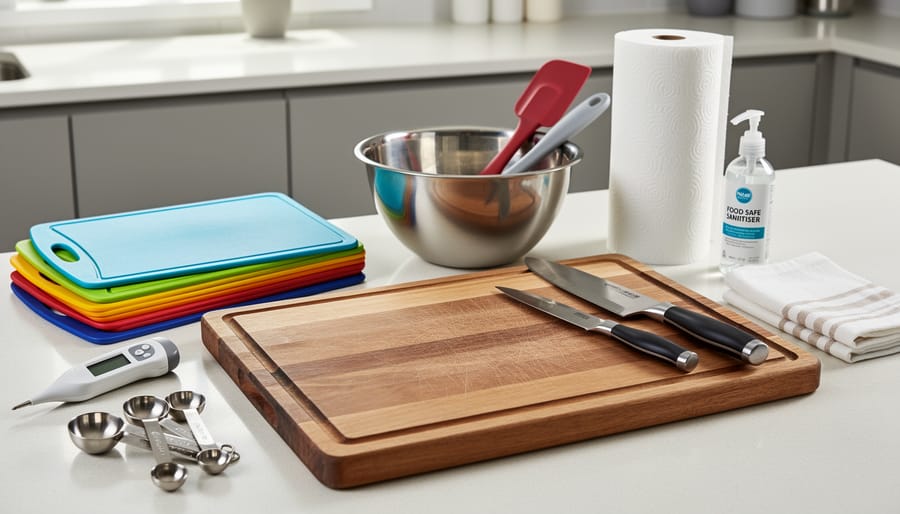
Before you pack a single jar or take your first order, understand that food safety isn’t just about protecting your reputation, it’s about preventing serious harm. One undisclosed allergen or improperly stored ingredient can trigger life-threatening reactions, lawsuits, and criminal charges under Canadian food safety law.
Get liability insurance before your first sale. A basic commercial general liability policy with product liability coverage (starting around $500-800 annually) protects you if someone gets sick or has an allergic reaction. Some platforms won’t let you sell without proof of insurance, and Toronto Public Health may request it during inspections.
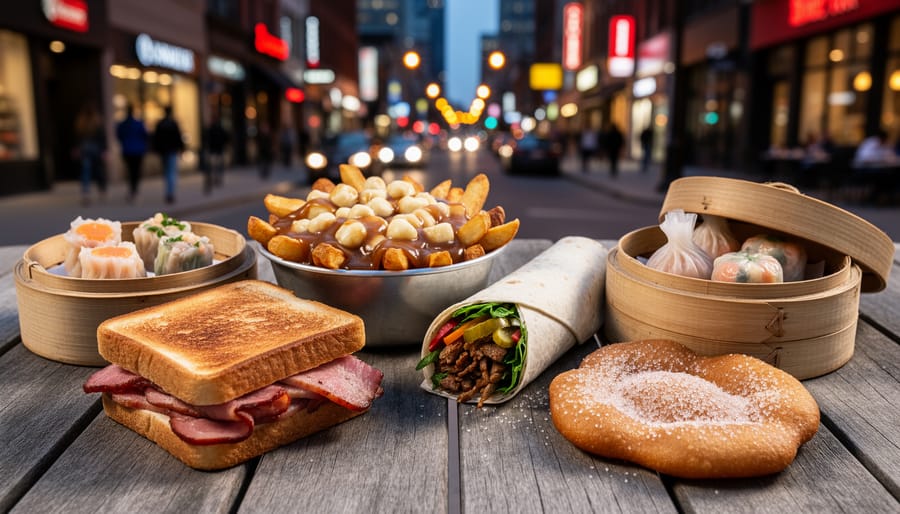
Temperature control matters intensely for perishable items. If you’re selling Toronto dishes like butter chicken or peameal sandwiches that need refrigeration, they must stay below 4°C during storage and transport. Use insulated bags with ice packs, and include “keep refrigerated” instructions. Track your cooking ratio and internal temperatures with a calibrated thermometer, guessing won’t cut it when health inspectors review your logs.
Prevent cross-contamination by designating separate cutting boards, utensils, and prep areas for allergens and raw proteins. If you’re baking nut-free cookies but also make almond croissants in the same kitchen, you must disclose potential cross-contact on labels.
Have a recall plan ready. If a customer reports illness or you discover contamination, you need to immediately stop sales, contact affected buyers, and notify Toronto Public Health. Keep detailed records of every batch: ingredients, production dates, and customer contacts. When handling complaints, document everything, respond quickly, and never admit fault without consulting your insurance provider. Whether you accept cash delivery or online payments, that paper trail protects you. Turning recipes inspired by Toronto‘s food scene into products people eat is a serious responsibility, treat it that way from day one.
Step-by-Step: Launching Your Online Food Business
Step 1: Choose Your Signature Recipes and Test Your Market
Start with recipes you’ve already mastered, ones friends and family actually request by name. The best candidates for online sales aren’t necessarily your most complex dishes, but rather foods that maintain quality during storage and delivery. Think baked goods that stay fresh for 3-5 days, shelf-stable sauces and condiments, or items that can be frozen and reheated successfully.
Consider Toronto’s food culture when narrowing your options. The city’s diversity means there’s appetite for everything from traditional Eastern European pierogi to Caribbean hot sauces to fusion creations that blend culinary traditions. Look at what’s selling at local farmers markets and trending on Toronto food Instagram accounts, but choose something you genuinely love making. Authenticity resonates with customers.
Before investing in ingredients for 50 units, test demand with small batches. Host a tasting party where guests pay a modest amount and provide honest feedback through a simple survey. Set up at a community event or farmers market with samples and pre-order forms. Post appetizing photos on Instagram with your location tagged, asking followers if they’d buy this product and at what price point.
Track which flavors get the strongest reactions and what questions people ask. If someone says “I’d buy this if it came in a larger size” or “Do you make a vegan version?”, that’s market research gold. This testing phase prevents you from producing inventory that doesn’t sell and helps you refine recipes based on real customer input before launch.
Step 2: Perfect Your Recipe Scaling and Costing
Scaling your grandma’s chili recipe from four servings to forty isn’t just multiplication. Ingredients behave differently in larger batches, spices intensify, liquids evaporate at different rates, and mixing times change. Start by tripling your recipe rather than jumping to ten times the volume. Make detailed notes on what adjustments work, then standardize those proportions in a written recipe card that anyone could follow.
Now for the math that determines whether you actually make money. List every ingredient with its exact cost per unit. That jar of vanilla extract seems cheap until you calculate you’re using $2.75 worth per batch. Don’t forget packaging, containers, labels, tissue paper, boxes, and build in a 10-15% buffer for waste and spillage. Add your labor at a fair hourly rate, even if you’re working alone right now. If a batch takes three hours and you value your time at $25 per hour, that’s $75 in labor costs.
Your total cost per unit needs to be roughly one-third of your selling price to cover ingredients, labor, packaging, platform fees, delivery, and profit. If your lemon bars cost $3.50 each to produce and deliver, price them at $10 or higher. Track these numbers in a simple spreadsheet for every product. Toronto’s competitive food scene means customers expect quality, but they also recognize the value of handmade, locally-made goods when pricing reflects that craft.
Step 3: Select Your Online Sales Platform
Choosing where to sell your food online shapes everything from your profit margins to how much time you spend managing orders. Toronto food entrepreneurs have several solid options, each with distinct trade-offs.
Your own website through Shopify or Squarespace gives you complete control over branding and customer data. Shopify starts at $39 CAD monthly and handles inventory, payments, and shipping seamlessly. It requires moderate technical comfort but offers polish and scalability. Squarespace ($23 monthly) works well for simpler product lines but has fewer food-specific features. The downside? You build your audience from scratch, meaning early sales depend heavily on your own marketing efforts.
Third-party marketplaces like Etsy and Local Line bring built-in traffic. Etsy charges $0.20 per listing plus 6.5% transaction fees, attracting shoppers already hunting for homemade goods. Local Line specializes in local food systems and farmer-market-style selling, taking 8-10% per order while connecting you with Toronto’s conscious food buyers. Both platforms handle payment processing and lend credibility, but their fees cut deeper into margins than self-hosted sites.
Social media shops through Instagram and Facebook let you start selling immediately with zero monthly fees. Tag products in posts, enable checkout, and you’re live. This approach works best if you already have an engaged following. The catch? You don’t own the customer relationships, algorithm changes can tank your reach overnight, and checkout features remain clunky compared to dedicated storefronts.
Toronto-specific platforms like Feast It Forward and The Local Food Box connect you with community-minded buyers but have limited reach beyond niche audiences. Consider starting on one platform where your ideal customers already shop, then expanding as you gain traction and confidence.
Step 4: Create Mouthwatering Product Photos and Descriptions
Your food might taste incredible, but online shoppers eat with their eyes first. A blurry phone photo won’t do justice to your grandmother’s butter tarts or your Kensington Market, inspired curry sauce.
Start with natural light. Set up near a window during late morning or early afternoon when the light is soft and even. Avoid harsh overhead lighting that creates unflattering shadows. A white foam board from the dollar store works as a simple reflector to bounce light onto the darker side of your dish. Shoot from multiple angles, overhead for flat dishes like cookies, 45-degrees for height and dimension on layered items like cakes.
Keep your props minimal and intentional. A rustic wooden board, linen napkin, or fresh herbs from St. Lawrence Market add context without competing for attention. Your food should remain the star.
For product descriptions, skip the generic adjectives. Instead of “delicious homemade cookies,” try “chewy brown butter chocolate chip cookies with flaky Maldon sea salt, baked fresh in small batches every Tuesday morning.” Tell the story: “This hot sauce recipe came from endless experiments at my Parkdale kitchen table, combining scotch bonnets from my favorite Caribbean grocer with Ontario peaches for unexpected sweetness.”
Mention specific Toronto touchpoints your target customers recognize. Reference neighborhoods, markets, or local ingredients. This builds trust and connection, people want to buy from someone who gets their city’s food culture.
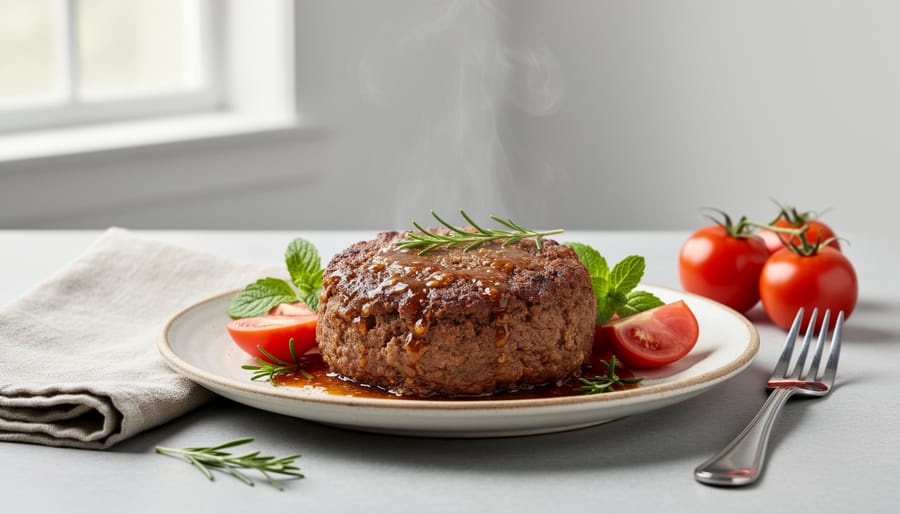
Step 5: Set Up Payment and Delivery Systems
Getting money into your account and food into customers’ hands requires two solid systems working together.
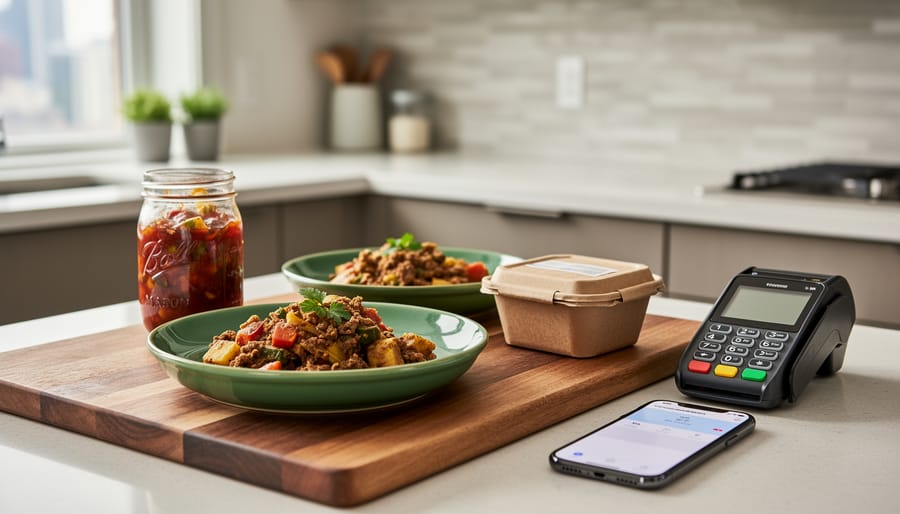
For payment processing, Stripe and Square are your workhorses. Both integrate seamlessly with Shopify and Squarespace, charge around 2.9% plus 30 cents per transaction, and deposit funds within two business days. Square shines if you’re doing farmers markets too, one system handles both online and in-person sales. PayPal works but adds an extra checkout step that can lose customers at the finish line.
Delivery is where Toronto’s geography matters. Start with a tight radius, say, a 5-kilometer zone around your kitchen, and offer free local pickup to save costs. For wider reach, Uber Direct connects you with drivers for same-day delivery across the GTA, though fees run $8 to $15 per order. Canada Post works for shelf-stable items going beyond the city, but factor in 2-3 day transit times.
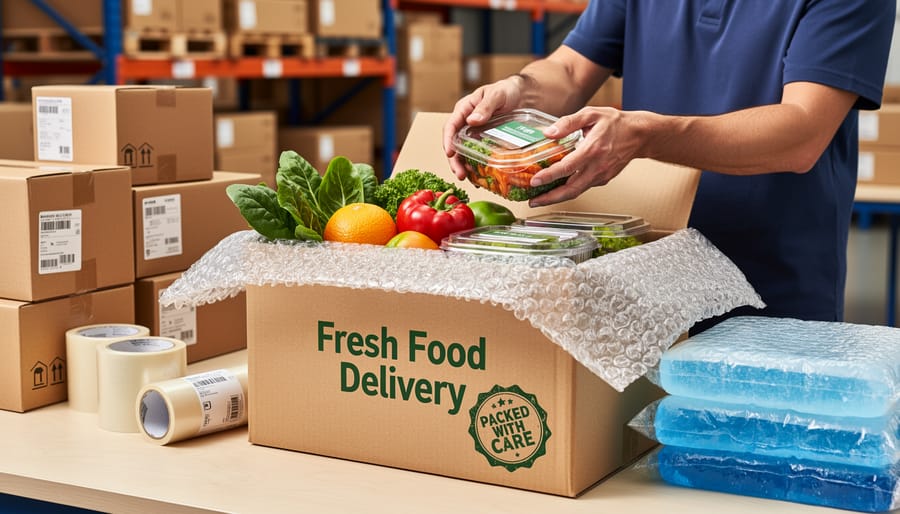
Your packaging needs to survive a bumpy ride. Invest in insulated bags for temperature-sensitive foods, use sturdy corrugated boxes with extra padding, and seal everything with tamper-evident tape. Include your business card and reheating instructions inside. Test your packaging by tossing a sample box around, if it doesn’t hold up in your hands, it won’t survive a courier’s trunk.
Set minimum order values ($25-30) to cover delivery costs without eating into margins.
Step 6: Launch and Promote to Your Community
Your first customers won’t come from strangers, they’ll come from people who already know and trust you. Start with a soft launch to your inner circle: friends, family, coworkers, and neighbors. Offer a limited menu (three to five items max) and accept orders through direct messages or a simple Google Form. This low-pressure approach lets you work out kinks in your process before going fully public.
Once you’ve completed a dozen successful orders, expand to Toronto’s active food community online. Join local Facebook groups like “Toronto Food Lovers” and “GTA Foodies” where members actively seek homemade treats and support small businesses. Share your story authentically, explain what inspired your recipes and why you’re passionate about them. Post mouthwatering photos and offer a first-time customer discount code.
Instagram is your visual storefront. Use hashtags strategically: #TOFoodie, #TorontoEats, #TorontoFoodScene, and neighborhood-specific tags like #LittleItalyTO or #TheBeachesTO. Post consistently, behind-the-scenes prep videos, customer testimonials, and close-ups of your finished products.
Build momentum through sampling and referrals. Drop off free samples to local coffee shops, yoga studios, or coworking spaces with your business card attached. Create a referral program where existing customers get 15% off when someone they recommend places their first order.
Reach out to Toronto food bloggers and micro-influencers who align with your niche. Many accept product samples in exchange for honest reviews, giving you credible third-party validation that reaches thousands of potential customers.
How to Know Your Food Business Is Ready to Scale
Knowing when to scale isn’t about hitting an arbitrary revenue target, it’s about recognizing patterns in your operations and customer behavior. If you’re consistently fulfilling 15-20 orders per week without scrambling, receiving unprompted positive reviews, and customers are placing second and third orders, you’ve moved beyond the experimental phase. Your production rhythm matters too: if you can prepare your signature items in your sleep and finish batches with time to spare, that’s a green light.
Watch for these concrete signals that your food business is ready for the next level:
- You’re turning down orders because your kitchen capacity can’t keep up with demand
- At least 30% of your sales come from repeat customers who order monthly or more often
- Your profit margin after all costs (ingredients, packaging, delivery, your time) sits above 40%
- You’ve maintained consistent quality and on-time delivery for three months straight
- Customer reviews average 4.5 stars or higher, with specific praise for taste and presentation
- You’re spending more time fulfilling orders than you are marketing or finding new customers
Track your numbers in a simple spreadsheet: orders per week, average order value, customer acquisition cost, and production hours. When your weekly revenue consistently covers a commercial kitchen rental (around $25-40/hour in Toronto) and still leaves profit, that’s your cue to explore shared kitchen spaces. If you’re working past midnight to keep up or your home fridge is bursting, it’s time to expand.
The sweet spot for reinvestment? When you’ve got three months of operating expenses saved and your monthly profit exceeds your production costs by at least 50%. That cushion lets you invest in better equipment, hire part-time help, or test new menu items without the panic of a slow week derailing everything.
Next Steps: Growing Your Online Food Business in Toronto
Once your online food business gains traction, Toronto offers rich opportunities to expand beyond your initial digital storefront. Start by securing a vendor spot at local farmers markets like Evergreen Brick Works or Dufferin Grove, these gatherings let you meet customers face-to-face, gather instant feedback, and build recognition in your neighborhood. Night markets such as the seasonal Toronto Night Market provide exposure to hundreds of food-curious shoppers in a single evening.
Wholesale partnerships can stabilize your revenue stream. Approach independent cafes, coffee shops, and specialty grocery stores in your area with sample products and wholesale pricing. Many Toronto establishments love featuring locally-made treats that align with their community-focused values. Even small accounts, supplying a neighborhood cafe with your granola or hot sauce, create consistent orders that smooth out the peaks and valleys of direct-to-consumer sales.
Catering represents another natural expansion. Corporate lunch orders, private events, and community gatherings need reliable food providers. List your catering services on your website and mention them when customers place larger orders.
Keep your existing customers engaged through a simple email list. Announce seasonal menu changes, think strawberry preserves in summer, hearty soups in winter, and offer subscribers early access or exclusive flavors. This rhythm keeps your brand top-of-mind and turns one-time buyers into regulars who anticipate your next creation.
Common Questions About Selling Food Online
Can I sell food from my home kitchen in Toronto?
Yes, but only certain low-risk foods like baked goods, jams, and some dried items qualify under cottage food rules. High-risk foods like meat, dairy-based dishes, or anything requiring refrigeration must be prepared in a licensed commercial kitchen inspected by Toronto Public Health.
Do I need a commercial kitchen right away?
Not necessarily. Start with cottage-food-approved items from your home kitchen to test demand and build your customer base. Once you’re consistently selling high volumes or want to expand into prepared meals and perishables, that’s when a commercial kitchen becomes essential.
What foods are easiest to sell online?
Shelf-stable items like cookies, granola, spice blends, hot sauces, and energy balls ship well and have fewer regulatory hurdles. They don’t require refrigeration during transit, which keeps delivery costs down and reduces the risk of spoilage.
How do I handle food that arrives damaged?
Have a clear refund or replacement policy posted on your site before you start selling. Most sellers offer a full refund or immediate replacement for damaged items, and you can often claim shipping insurance if you’ve purchased it through your courier.
What are the most common mistakes new food sellers make?
Underpricing products without factoring in all costs, skipping proper food handler training, and scaling recipes without testing consistency. Many also launch without understanding Toronto’s specific licensing requirements, which can lead to costly shutdowns.
How much can I realistically earn?
It varies wildly based on your pricing, volume, and time investment. Part-time home bakers often make $500-$2,000 monthly to start, while those who move to commercial kitchens and build strong local followings can eventually reach $5,000+ per month. Your first year is typically about building reputation and refining operations rather than big profits.
These questions pop up constantly in Toronto food entrepreneur groups, and for good reason. The gap between “I love cooking” and “I’m running a legal food business” feels massive at first. But here’s the thing: most concerns have straightforward answers once you understand Toronto’s rules and start small.
The licensing question trips up nearly everyone. Toronto Public Health divides foods into risk categories, and that determines where you can legally cook. If you’re dreaming of selling your grandmother’s pierogi recipe, you’ll need commercial kitchen access because they contain dairy and require refrigeration. But her jam recipe? That’s fair game from your home stove.
Damage during delivery is another worry that keeps new sellers up at night. The reality is that it’ll happen occasionally no matter how carefully you pack. Budget for a small percentage of replacements in your pricing, invest in sturdy packaging, and respond quickly when issues arise. Customers remember how you handle problems more than the problems themselves.
Selling food online isn’t reserved for professional chefs or massive operations, it’s absolutely within your reach as a passionate home cook right here in Toronto. You’ve got the recipes, the creativity, and now the roadmap to turn those DIY kitchen experiments into real income.
Start small. Test one or two signature dishes with friends and neighbors. Get your food handler certification on a weekend. Set up a simple Instagram shop or Etsy storefront. You don’t need a commercial kitchen on day one, many successful Toronto food sellers launched from home kitchens with proper permits.
What makes this city special is its hungry, adventurous eaters who genuinely want to support local food makers. They’re scrolling through #TOFoodie right now, looking for exactly what you’re cooking. Your butter tarts, your grandmother’s samosas, your sourdough, there’s an audience waiting.
The leap from hobbyist to business owner feels big, but you’re not doing it alone. Toronto’s food community is collaborative, not cutthroat. Connect with other sellers at farmers markets, join local food entrepreneur groups, and don’t be afraid to ask questions.
Your first sale will feel incredible. Your tenth will feel sustainable. Take the first step this week, you’ve got this.