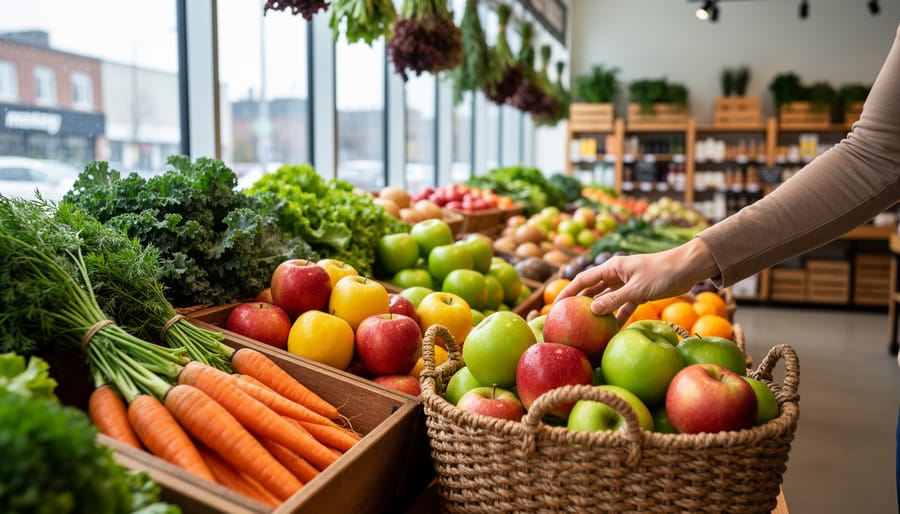
An organic produce store is a specialty retailer focused exclusively (or primarily) on certified organic fruits, vegetables, and often complementary whole foods, offering a curated selection that goes far beyond the single organic aisle you’ll find at most conventional supermarkets. These stores are absolutely worth visiting if you value pesticide-free food, want to support local organic farms, or simply crave produce that tastes the way nature intended.
The organic market has hit serious momentum. U.S. organic sales reached $76.6 billion in 2025, with produce leading the charge at $22.7 billion, according to the 2026 Organic Market Report. Here in Toronto, we’re seeing dedicated organic stores pop up in neighborhoods from Leslieville to the Junction, each with its own personality and focus on connecting eaters directly with the farmers who grow their food.
What sets these shops apart isn’t just the USDA or Canada Organic certification stickers. It’s the expertise behind the counter, the seasonal variety that reflects what’s actually ready to harvest, and the community vibe that makes grocery shopping feel less like a chore and more like a farmers market you can visit year-round. You’ll pay a premium (typically 20-40% more than conventional), but you’re investing in soil health, farm worker safety, and frankly, carrots that actually taste like carrots.
Whether organic produce stores fit your budget and lifestyle depends on how you shop, but understanding what they offer helps you decide where your food dollars make the biggest impact.
The Organic Boom Hitting Canadian Shelves
The numbers tell a story that anyone who’s wandered through Toronto’s food scene lately has already felt: organic isn’t playing on the sidelines anymore. According to the 2026 Organic Market Report, U.S. organic sales hit $76.6 billion in 2025, with produce leading the charge at $22.7 billion. That’s not just growth, that’s a fundamental shift in how North Americans are filling their carts.
What makes these figures particularly interesting for Toronto shoppers is that Canada’s riding this same wave. The Canada Organic Trade Association’s latest comprehensive market analysis reveals that organic has moved from specialty niche to mainstream staple, and our city’s reflecting that shift in real time. Walk down any major street and you’ll spot new organic-focused shops opening, existing stores expanding their organic sections, and even conventional grocers scrambling to keep up.
This isn’t about a fleeting health kick or Instagram-worthy shopping bags. When organic beverages alone pull in over $10 billion, you’re looking at millions of people making consistent, repeated choices about what they bring home. The 12.8% growth in dairy and eggs suggests shoppers aren’t just grabbing organic kale for show, they’re switching staples, the everyday stuff that fills breakfast tables and school lunches.
Toronto’s organic produce stores are thriving because they’re meeting demand that’s only accelerating. The market’s spoken, and it’s asking for more than a token organic section tucked in the corner.
What Sets an Organic Produce Store Apart from Your Regular Grocer
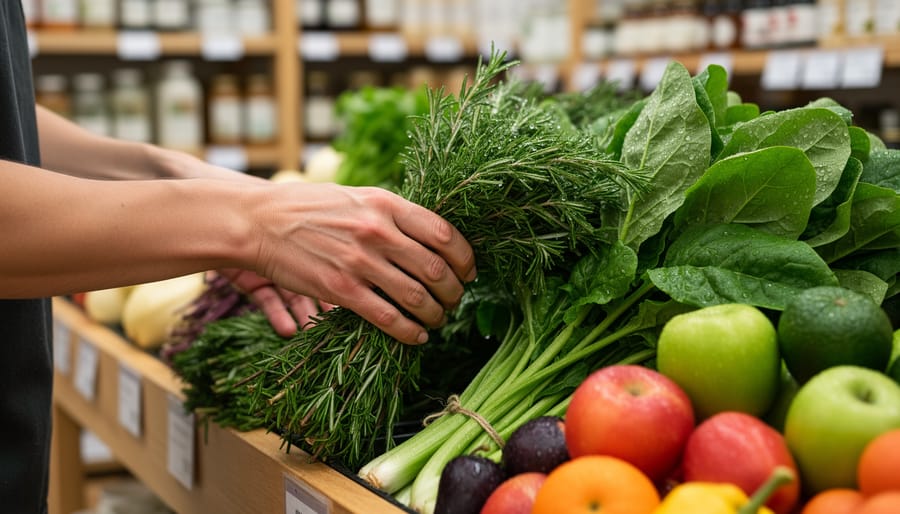
Walk into most conventional supermarkets and you’ll find an “organic section” tucked somewhere between the regular produce and the salad bar. Walk into a dedicated organic produce store, and you’ve entered an entirely different world.
The sourcing tells the first story. While big-box stores often source organic produce through the same massive distribution networks as conventional items, dedicated organic stores typically build direct relationships with local and regional farms. They know which Ontario farm picked those greens yesterday morning. They can tell you the farmer’s name, the soil practices used, and sometimes even the specific field where your carrots grew. This connection means shorter supply chains, which translates to produce that spent less time bouncing around in trucks.
Variety separates the committed from the convenient. That supermarket organic section carries maybe a dozen items, usually the safest bets like spinach, apples, and bananas. An organic produce store might stock forty varieties of heirloom tomatoes in August, three types of kale you’ve never heard of, and root vegetables that look like they wandered in from a fantasy novel. They’re not trying to please everyone; they’re serving people who actually care about the difference between a Honeycrisp and a Mutsu apple.
The staff knowledge gap is massive. Ask a question at a conventional grocer and you might get a shrug. Ask at a dedicated organic store and you’ll likely start a conversation with someone who’s genuinely passionate about food systems, can explain why those bruised peaches are perfectly fine, and might share their grandmother’s pickling recipe. Many have visited the farms they source from.
Then there’s the atmosphere. Organic produce stores feel like community hubs rather than transactional pit stops. You’ll find local event flyers, recipe cards featuring seasonal ingredients, and customers who chat with each other about cooking techniques. It’s slower, more intentional, and decidedly less fluorescent than the supermarket rush.
The Toronto Organic Shopping Experience: What to Expect
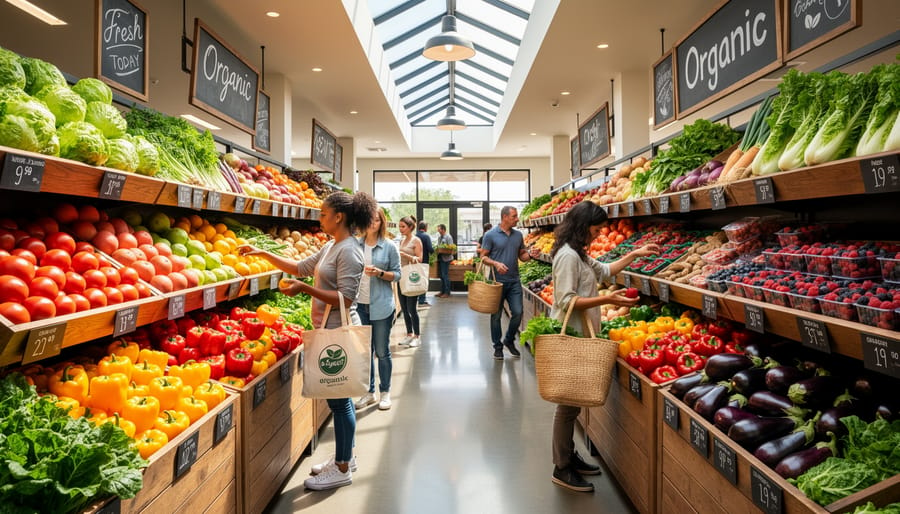
Walking into a Toronto organic produce store feels different from the moment you step through the door. The air carries that earthy scent of fresh basil and cilantro, mixed with the sweet perfume of ripe peaches in summer or crisp apples in fall. Your eyes immediately catch the colour, deep purple heirloom tomatoes sitting next to sunshine-yellow pattypan squash, varieties you’d scroll past at a conventional grocery store without a second glance.
The vibe skews community hub rather than sterile supermarket. Most stores feature bulletin boards plastered with local event flyers, CSA sign-up sheets, and handwritten notes from customers thanking farmers by name. You’ll overhear staff chatting with regulars about weekend farmers’ market finds or debating the best time to plant garlic. These aren’t scripted interactions, the people working here genuinely know their suppliers and aren’t shy about sharing stories.
What makes these stores genuinely exciting is the discovery factor. You’ll stumble across romanesco broccoli with its fractal spirals, striped beets that look like candy canes when sliced, or micro-greens harvested that morning from a Scarborough rooftop farm. Staff can tell you which farm grew what, when it was picked, and how to prepare that weird-looking vegetable you’re eyeing. They’ll suggest pairing that funky cheese with honey from a beekeeper in the Kawarthas, or mention that the strawberries just arrived from a plot two hours north.
The pace feels slower, more intentional. People actually read labels, squeeze avocados thoughtfully, and leave with reusable bags stuffed with ingredients that’ll inspire dinner rather than just fill the fridge.
When the Higher Price Tag Actually Makes Sense
Let’s be honest: that sticker shock at the checkout is real. Organic blueberries can run double the price of conventional, and a bag of carrots might make you do a mental calculation you’d rather skip. But before you write off organic produce stores as a luxury, it helps to understand where your money actually goes.
The investment makes the most sense with produce known as the “dirty dozen,” items like strawberries, spinach, and apples that typically carry higher pesticide residues when grown conventionally. Your dollar stretches smarter here because you’re actively avoiding something rather than just buying a feel-good label. Tomatoes are another standout: the taste difference between a conventional hothouse tomato and an organic heirloom from a local farm isn’t subtle. It’s the difference between watery and actually tasting like summer.
Supporting local farms matters too, especially in a city like Toronto where small-scale growers work hard to maintain farmland within reach of urban sprawl. When you’re buying directly through a store that partners with these farmers, more of your money stays in the community rather than padding the margins of massive distributors.
Pros
- You avoid pesticide residues on produce you eat most often or consume skin-on.
- Local farms receive better margins, keeping agricultural land viable near Toronto.
- Taste differences are noticeable with items like tomatoes, berries, and leafy greens.
- Seasonal shopping at organic stores often beats conventional supermarket pricing.
Cons
- Upfront costs run 20-50% higher than conventional equivalents for many items.
- Not all produce benefits equally from organic growing practices in terms of pesticide avoidance.
- Limited selection during off-seasons can force compromises or higher prices for imports.
- Smaller stores may lack the convenience of one-stop shopping for your entire grocery list.
Here’s the budget hack nobody tells you: focus ruthlessly on what’s in season. That’s when organic stores shine brightest, often matching or undercutting supermarket prices because they’re moving volume from local harvests. A flat of August tomatoes or September squash becomes affordable when farms are flush.
Build a relationship with the staff. Seriously. The person stocking shelves often knows when slightly bruised apples go on sale or which day the markdown bin gets restocked. They’re not commissioned salespeople; they genuinely want you to eat well without going broke. Ask about seconds, the cosmetically imperfect produce that tastes identical but costs less.
And here’s permission to be selective: you don’t need to buy everything organic. Avocados, bananas, and onions have thick protective skins you don’t eat, making organic versions less critical. Save your budget for the items that matter most to your household, whether that’s salad greens you eat daily or berries your kids demolish by the container.
Beyond Just Produce: The Hidden Gems
Walk into most organic produce stores these days and you’ll quickly realize the ‘produce’ part of the name barely scratches the surface. The beverage coolers alone tell the story, organic drinks hit $10.2B in 2025 sales for good reason. You’ll find everything from house-pressed juices and kombucha on tap to locally roasted coffee beans and ingredients for your own raspberry lemonade experiments.
The dairy case rivals what you’d find at specialty cheese shops, stocked with small-batch yogurts, artisan cheeses from Ontario farms, and plant-based alternatives that actually taste like something. That 12.8% growth in organic dairy and eggs shows up in the variety, you’re not limited to one brand of organic butter anymore.
Toronto stores shine brightest in their local partnerships. Many carry prepared foods from neighborhood kitchens, organic sourdough from small bakeries, and ready-to-bake items like organic apples for an upside-down apple cake. Some have become legitimate alternatives to healthy takeout Toronto options, with grab-and-go salads, grain bowls, and house-made hummus that put grocery store deli counters to shame.
The bulk sections deserve their own visit, organic nuts, grains, spices, and even refillable cleaning products. It’s the kind of expansion that transforms a quick produce run into discovering your new favorite snack or pantry staple.
How to Shop Smart at Your Local Organic Store
Walking into an organic produce store for the first time can feel like stepping into a farmers market that somehow got a roof. The abundance is exciting, but it’s easy to feel lost without a game plan. Here’s how to navigate like someone who’s been doing this for years.
Start by asking questions. Staff at these stores genuinely know their stuff because they work directly with growers. Ask when specific items were harvested, which farms they came from, and what’s arriving fresh tomorrow. You’ll often discover that Tuesday mornings bring in weekend harvest shipments, or that Thursday afternoons mean marked-down produce that’s still perfectly good for your single-pan cauliflower pasta tonight.
- Learn the seasonal rhythms and plan meals around what’s at its peak rather than forcing a recipe that calls for January tomatoes in March.
- Build rapport with one or two staff members who’ll tip you off about incoming specialty items or surprise deliveries from small farms.
- Try one unfamiliar variety each visit, whether it’s purple carrots or a knobby heirloom tomato you can’t identify.
- Bring your own bags and containers, especially for bulk items, which often offer better value than pre-packaged options.
- Shop the perimeter first for produce, then circle back for pantry staples so you’re not lugging heavy items while selecting delicate greens.
Storage matters more with organic produce since there aren’t preservatives extending shelf life. Ask how to store unfamiliar items. Those leafy greens last longer wrapped in damp towels in the crisper, while tomatoes hate the fridge entirely.
Don’t buy everything organic at once. Focus on items you eat daily and the types where pesticide residue matters most. You’ll develop instincts for what’s worth the premium at your household’s consumption rate, and shopping becomes intuitive rather than stressful.
So here’s the thing about organic produce stores in 2026: they’re not just surviving, they’re thriving for good reason. With organic sales hitting $76.6B across North America last year and produce leading the charge at $22.7B, these specialized shops have proven they’re more than a fleeting wellness fad. They’re spaces where you can actually talk to someone who knows when the carrots were harvested, discover heirloom varieties that make grocery store tomatoes taste like cardboard, and support a food system that aligns with your values.
If you haven’t visited one of Toronto’s organic produce stores lately, you’re missing out on more than just pristine vegetables. You’re missing the community bulletin boards connecting you to local food events, the staff recommendations that introduce you to your new favourite seasonal ingredient, and that unmistakable energy of a space built around quality rather than convenience alone.
Pick a Saturday morning, grab your reusable bags, and give your neighbourhood organic store a shot. Your taste buds will thank you, and you might just find yourself becoming one of those people who gets genuinely excited about peak asparagus season.